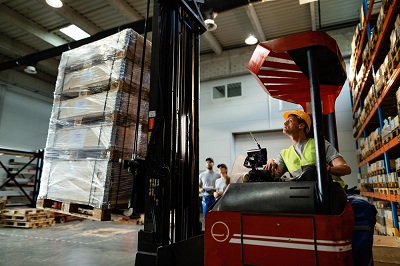
Racking is usually discussed in terms of design and installation, but most of its working life is spent being loaded and unloaded. The small decisions made at the rack face, such as how a pallet is placed or whether a load has been weighed, are what keep a system operating the way it was designed to. They are also the easiest part to improve, because they cost almost nothing.
Behind every installation of warehouse pallet racking sits a rated capacity for each bay, and the design only holds as long as the system is used within it. Regulator guidance on this is short and practical, and it reads like a checklist that almost any site could adopt.
Know What Each Load Weighs
Every bay has a rated capacity, and the total weight of unit loads stored in it must not exceed that rating, according to SafeWork NSW. The same guidance adds that there should always be some way of determining the weight of each unit load being placed into the racking. A rating is only useful when the loads are known.
The rating also needs to be visible. Bays should display the safe working load signs provided by the designer, so anyone loading a beam level can see the limit without having to look it up. A load that feels reasonable is not a substitute for a number on a sign.
Check the Pallet Before It Goes Up
Pallets are part of the structure in practice, because the beam carries the load through them. WorkSafe Victoria notes that pallets which are not level may not be correctly keyed into the racking, or may be damaged. A quick look at a pallet before it is lifted is a simple way to catch that.
The type of pallet matters too. Changing from timber pallets to post pallets, for example, will apply concentrated loads to racking beams, which is worth checking before the switch rather than after. Where a large load is supported at only two or three points, the advice in both sets of guidance is to refer to the supplier.
Watch Overhang and Loose Goods
Boxes, cartons and other items overhanging the pallet they are stored on are a flag, unless the racking structure has the correct clearance. Overhanging goods can suggest that the size of the goods does not match the design the racking was built around, which is a prompt to review the setup and not to push on.
Loose goods also need attention. They should be secured to the pallet by wrapping or strapping, and that matters most for items stored on upper levels, where an unsecured item has further to fall.
Match the Aisle to the Equipment
Aisle width should match the turning circle of the forklift used for picking and replenishment. Where equipment changes, the aisle assumptions are worth revisiting.
Racking should also be fitted with upright protectors and end-of-rack protectors, often called corner guards, to guard against forklift impact.
Keep Instructions Simple and Visible
Operating procedures should cover the correct use of the handling equipment and a prohibition on unauthorised alterations. Instructing operators in the correct and safe use of the equipment is the closest thing to a training requirement the guidance describes, and it is a sensible baseline. Short, plain instructions near the racking are more likely to be followed than a long document in a folder.
One habit worth building is to report anything unusual straight away. Workers should tell a supervisor about any damage immediately so it can be inspected and assessed, and coloured stick-on tags can be used to mark where it is. A culture where reporting is easy and expected means problems come to light while they are still small.
A Short Routine at the Rack Face
A routine for loading can be brief. Check the pallet is level and in good condition. Confirm the unit load is within the signed capacity. Make sure nothing overhangs and loose goods are secured. Place the pallet squarely, and note anything that looks out of place on the way past.
None of this requires special equipment, and each step takes seconds. It simply makes good loading the normal way of working.