A roof restoration is often described in a single sentence, “clean it, fix it, paint it”, and that summary hides a lot of careful work. Each stage depends on the one before it, which is why the order matters as much as the materials. Understanding the sequence makes it easier to read a quote, ask sensible questions and know what to expect while the work is under way.
For homeowners whose roof has started to look tired, the next step is usually to talk with a roof restoration Gold Coast specialist and ask what an inspection would involve. A good conversation at that point tends to shape everything that follows.
It Starts With an Inspection
A coating manufacturer’s published guide for restoration work begins with an inspection of the roof’s condition, followed by a detailed condition report. That report is worth asking for, because it sets out what was found and gives a basis for comparing quotes. A roof with a few cracked tiles needs different work from one with widespread wear, and the report is what shows the difference.
Repairs Come Before Cleaning or Coating
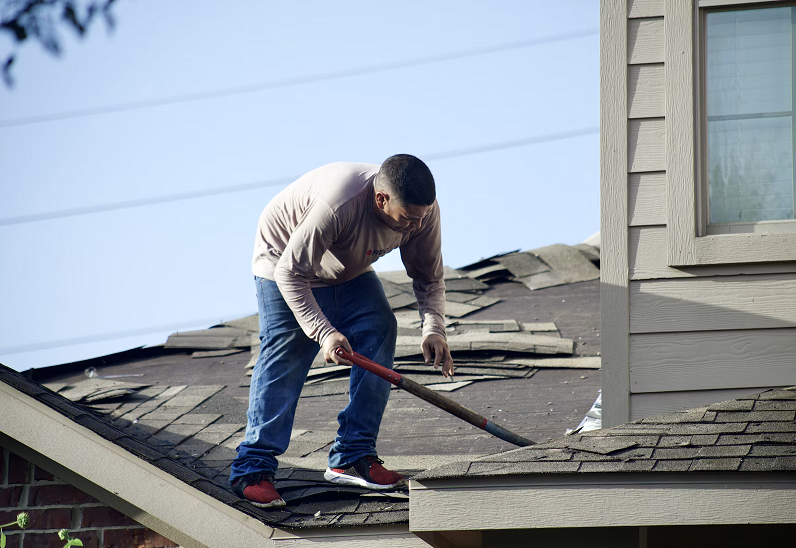
Repair work is done early, because coating over a problem does not remove it. On a tiled roof, broken or missing tiles are replaced. Ridge capping, the cement mortar that joins intersecting surfaces, is checked for cracks and repaired and rebedded where needed. Cracked or damaged pointing is reapplied with a flexible product designed to move with the house, and faulty valley irons are replaced.
Cleaning Does More Than Make the Roof Look Better
The roof is then pressure washed to remove dirt, dust and other material attached to the surface. Cleaning also matters for a practical reason, because material left on the surface can promote algae, mould and lichen growth. If a lichen or moss spore stays inside a tile, it can regrow, which is why a treatment step is sometimes included before the roof is coated.
This is also the stage that produces the most waste material, and it brings with it a responsibility many homeowners do not think about.
Where the Wash Water Goes
Wastewater from roof cleaning and restoration can flow directly into creeks, rivers and waterways, according to Noosa Shire Council. Pollutants such as algae, paint flakes, concrete and sediment can harm aquatic life, and it is an offence under Queensland’s Environmental Protection Act 1994 to allow polluted wastewater to enter stormwater.
The preferred approach, where possible, is to disconnect downpipes and redirect the wastewater to a garden or a holding tank. Where that is not possible, the downpipe can be blocked off during cleaning and the water fed onto lawns or gardens, and sandbags or a portable bund can be used in the roadside gutter, although the same fact sheet notes these are not designed to hold wastewater from a full roof clean. Remaining waste is not hosed into the stormwater drain, and a spill response kit on site is recommended to clean up residues nearby.
It is a reasonable question for any homeowner to ask. How will the wash water be managed, and what happens to the debris once the roof is clean?
Primer, Then the Protective Coat
After cleaning and preparation, a primer or sealer chosen for the roof type is applied. Older roofs, or tiles that have become pitted through erosion, may need a higher build primer. The membrane then goes on as the final protective coating.
Because the primer and membrane are chosen to suit the roof and its condition, the product details are worth confirming in the quote. Ask what is being applied at each stage and how many coats are planned.
Questions Worth Asking Before the Work Starts
A short list helps keep the conversation practical. Will there be a written condition report? Which repairs are included, and which would be quoted separately? How is the roof cleaned, and how is the wash water managed? What is applied at each stage? What does the provider say about maintenance afterwards?
Written answers are easier to compare than verbal ones, and they give both sides a clear reference if something needs to be checked later.